
Caring for a loved one with dementia involves more than meeting their physical needs. It also means creating opportunities for purpose, connection, and joy every day. In a supportive living environment, thoughtfully planned activities can help seniors remain mentally engaged, physically active, and emotionally connected while enhancing their overall quality of life.
Whether your loved one is living at home or in an assisted living community, participating in familiar and meaningful activities can reduce anxiety, encourage social interaction, and provide comforting daily routines. Not every activity is suitable for every individual, though. Dementia affects everyone differently, and abilities can change over time. Choosing activities that match a person’s interests, abilities, stage of memory loss and comfort level creates a much more positive experience.
At Safe Harbor Amoré, we believe compassionate supportive living goes beyond providing assistance with daily tasks. It means creating an environment where residents feel valued, respected, and empowered to enjoy fulfilling experiences each day. Through personalized engagement and structured routines, families throughout Spring Hill and Hernando County can feel confident their loved ones are receiving care that nurtures both their physical and emotional well-being.
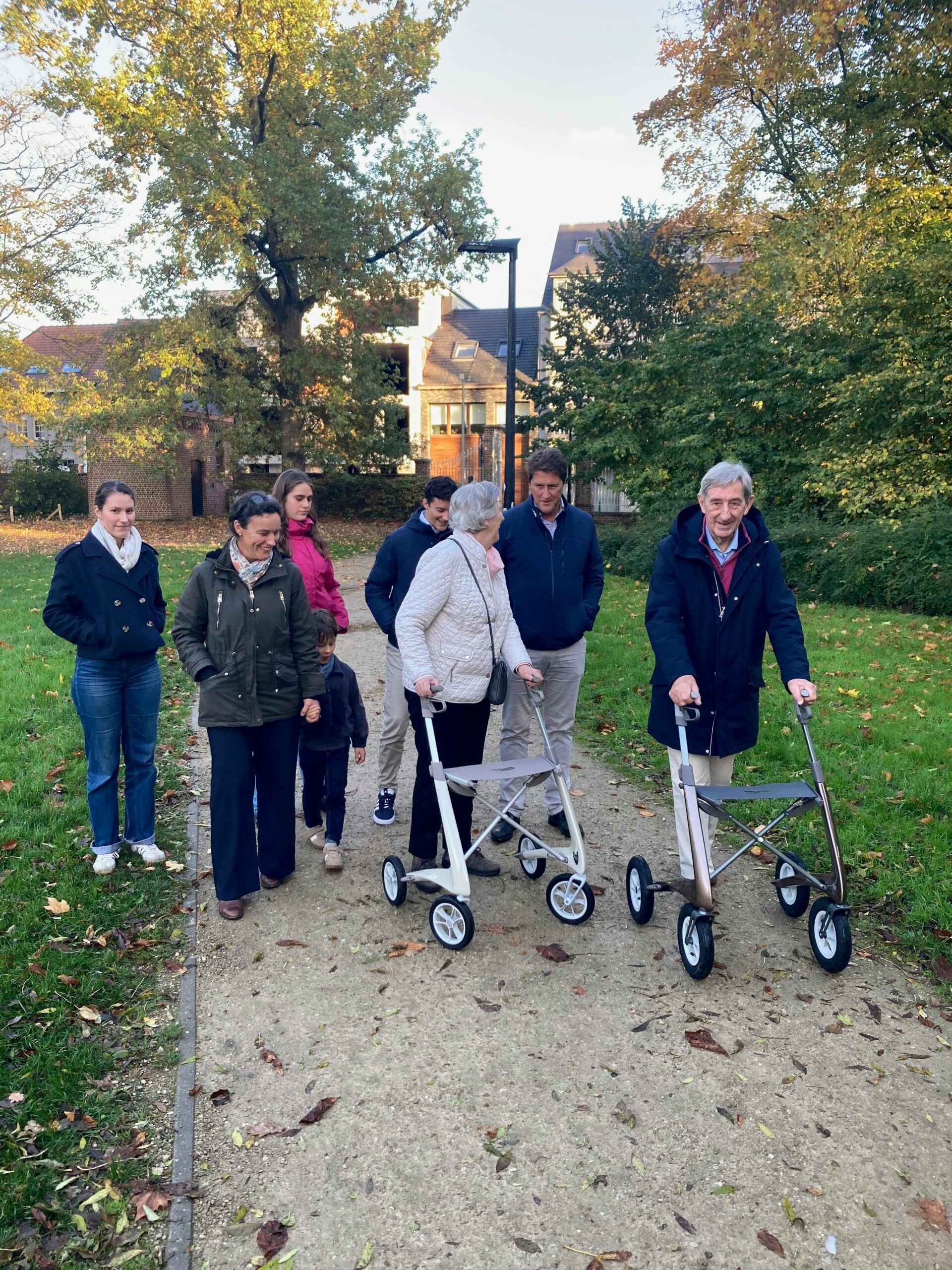
Tips for Families Supporting a Loved One in a Supportive Living Journey
Whether your loved one lives at home or has transitioned into a supportive living community, your encouragement continues to play an important role in their emotional well-being.
Keep these practical tips in mind:
Focus on Lifelong Interests:
The most successful activities are often those connected to hobbies or routines your loved one has enjoyed throughout life.
Someone who loves gardening may still find joy in watering flowers or planting herbs. A retired teacher may enjoy reading children’s books with grandchildren, while someone who enjoyed cooking might appreciate stirring batter or decorating cookies.
Familiar activities often trigger positive memories while reducing confusion because they feel natural and comforting.
Adapt Activities to Their Stage of Dementia:
In the early stages, many seniors can still participate in puzzles, reading, light exercise, or simple games that encourage memory and problem-solving.
As dementia progresses, activities should become less complex and focus more on sensory experiences such as music, gentle movement, aromatherapy, painting, or reminiscing with photographs.
The goal isn’t to challenge someone beyond their abilities but to help them feel successful and engaged.
Keep Instructions Simple:
Complicated directions can quickly become overwhelming.
Instead of explaining several steps at once, guide your loved one through one task at a time. Demonstrate each step if needed, offer encouragement, and allow plenty of time without rushing.
Patience often makes the activity far more enjoyable than completing it quickly.
Choose the Best Time of Day:
Many seniors with dementia are naturally more alert during the morning hours. Activities requiring concentration, conversation, or physical movement are often best scheduled earlier in the day.
If your loved one experiences late-afternoon confusion or “sundowning,” quieter sensory activities such as listening to music or looking through family photos may be more appropriate during those times.
Prioritize Safety and Comfort:
Create an environment free from unnecessary distractions.
Ensure good lighting, comfortable seating, clear walking paths, and close supervision whenever needed. Activities should always feel safe, relaxing, and enjoyable rather than stressful or overwhelming.
Focus on the experience rather than the outcome:
It doesn’t matter whether a painting looks perfect or a puzzle is finished. What matters most is spending quality time together.
Watch for signs of fatigue:
If frustration or restlessness develops, take a break or switch to a calming activity like listening to music.
Celebrate small successes:
Every smile, conversation, or moment of engagement is worth recognizing.
Encourage choice whenever possible:
Allowing your loved one to decide between two activities helps preserve independence and dignity.
Once a safe and supportive environment is in place, the focus can shift to activities that encourage engagement, preserve abilities, and enrich daily life Whether at home or in a supportive living community.
Above all, remember that meaningful connection matters far more than completing any activity perfectly.
With that in place, we can now talk about meaningful supportive living activities that can help seniors with dementia remain active, connected, and emotionally fulfilled:
Choosing the Right Supportive Living Activities for Seniors with Dementia
One of the defining features of quality supportive living is providing opportunities for residents to stay engaged in ways that support their physical, emotional, and cognitive well-being. While there is no single activity that works for everyone, meaningful experiences tailored to each person’s interests can reduce anxiety, encourage social interaction, and improve overall quality of life.
Here are ten supportive living activities that consistently bring comfort, purpose, and joy to seniors living with dementia.
1. Listen to Favorite Music
Music is one of the most powerful therapeutic tools available for seniors with dementia. Unlike many other memories that fade over time, musical memories often remain preserved much longer because they are processed in different areas of the brain. A familiar song can instantly evoke positive emotions, encourage singing, or even spark conversations about cherished moments from the past.
Listening to favorite music has been shown to help reduce anxiety, ease agitation, improve mood, and encourage social interaction. For many families, music becomes a comforting way to reconnect, even when verbal communication becomes more difficult.
Creating a personalized playlist featuring songs from your loved one’s younger years is a wonderful place to start. Whether it’s classic country, jazz, gospel, big band, or timeless love songs, familiar melodies often provide reassurance and comfort. Singing together, clapping along to the rhythm, or enjoying a slow dance in the living room can transform an ordinary afternoon into a meaningful shared experience.
If your loved one previously played an instrument, encourage them to explore simple musical activities again. Even tapping a tambourine, shaking maracas, or keeping rhythm with gentle percussion instruments can stimulate coordination and encourage self-expression.
The focus should never be on performance but on creating moments of joy and emotional connection.
2. Take Gentle Walks Outdoors
Fresh air, sunshine, and movement can have a remarkable impact on both physical and emotional well-being for seniors with dementia. Walking is one of the simplest yet most beneficial activities because it combines gentle exercise with opportunities for conversation and sensory stimulation.
A leisurely walk through a neighborhood, local park, or peaceful garden encourages seniors to notice familiar sights, sounds, and smells that may spark memories or simply promote relaxation. The changing scenery also provides natural conversation starters, helping caregivers engage their loved ones without pressure.
Regular walking may help improve balance, maintain muscle strength, support cardiovascular health, reduce restlessness, and promote better sleep. It can also help lessen feelings of anxiety and provide a healthy outlet for excess energy, particularly for individuals who experience wandering behaviors.
Families in Spring Hill and throughout Hernando County can enjoy many quiet outdoor spaces where seniors can safely experience nature with appropriate supervision. Comfortable footwear, plenty of water, sunscreen, and choosing cooler times of day help ensure outings remain enjoyable and safe.
Even a short ten- or fifteen-minute stroll can become a treasured part of a daily routine.
3. Browse Family Photo Albums and Share Stories
One of the most meaningful ways to connect with seniors living with dementia is through reminiscence. Looking through old family photo albums often brings back long-term memories that remain accessible even as recent memories become more difficult to recall.
Photographs provide opportunities to revisit weddings, birthdays, family vacations, childhood homes, military service, careers, and other significant life events. These conversations reinforce a person’s identity and remind them that their life experiences continue to matter.
Rather than asking questions that feel like a memory test, try using gentle prompts such as:
“Tell me about this day.”
“Who is standing beside you?”
“What was your favorite thing about growing up?”
There are no right or wrong answers. If details are forgotten, simply enjoy the conversation without correcting or challenging your loved one.
Many families also enjoy creating memory books that combine photographs with captions, favorite recipes, postcards, handwritten notes, or small keepsakes. These personalized collections become comforting resources that can be revisited again and again.
4. Gardening and Caring for Plants
Gardening is a wonderful multi-sensory activity that engages sight, smell, touch, and even taste when growing herbs or vegetables. For seniors who have always enjoyed spending time outdoors, tending to plants often feels familiar, calming, and deeply rewarding.
Watering flowers, planting herbs, trimming leaves, or simply sitting beside a colorful garden can reduce stress while encouraging gentle movement. The scents of lavender, rosemary, basil, or blooming flowers may also trigger pleasant memories associated with home gardens or favorite family recipes.
Gardening provides a natural sense of purpose because it allows seniors to nurture something living. Watching plants grow over time can foster accomplishment and encourage daily routines.
Raised garden beds, container gardens, or tabletop planters make gardening more accessible for individuals with limited mobility. Even indoor plants can provide many of the same emotional benefits without requiring extensive physical effort.
Unlike many activities, gardening naturally adapts to different ability levels, making it an excellent choice throughout various stages of dementia.
5. Explore Arts and Crafts
Creativity offers seniors with dementia an opportunity to express themselves without relying solely on words. As communication changes over time, painting, drawing, coloring, flower arranging, and simple craft projects provide valuable outlets for emotion, imagination, and accomplishment.
Importantly, there is no “correct” way to create art.
A colorful painting, a decorated greeting card, or a seasonal craft becomes meaningful because of the experience rather than the finished product. The process encourages focus, reduces stress, and often sparks conversation while promoting fine motor skills.
Simple activities such as watercolor painting, adult coloring books, decorating flower pots, making holiday ornaments, or creating collages from magazine pictures can be adapted for almost any ability level.
Providing larger brushes, easy-to-hold markers, and uncomplicated materials helps minimize frustration while allowing creativity to flourish.
For many seniors, completing a craft project also creates a tangible reminder of what they are still capable of accomplishing—a powerful boost to confidence and self-esteem.
6. Help with Familiar Household Tasks
Simple household tasks may seem ordinary, but for seniors with dementia, they can provide a powerful sense of purpose and accomplishment. Many older adults spent years caring for their homes and families, so familiar routines often remain comforting even as memory changes.
Activities like folding towels, matching socks, setting the table, watering plants, dusting furniture, or sorting silverware can reinforce feelings of independence while encouraging movement and concentration. Unlike more complex tasks, these activities rely on long-established habits that many seniors remember instinctively.
The goal isn’t to complete chores perfectly. Instead, it’s about helping your loved one feel included and valued. Praising their efforts and thanking them for their help can boost confidence and reinforce their sense of contribution.
When introducing household activities, choose tasks that are safe, uncomplicated, and appropriate for their current abilities. Avoid anything involving sharp objects, heavy lifting, or cleaning chemicals. If needed, demonstrate the task first and offer gentle guidance without taking over.
These everyday moments often become meaningful opportunities for conversation, laughter, and connection.
7. Play Simple Games That Keep the Mind Active
Keeping the brain engaged is an important part of supporting seniors with dementia. While games cannot stop the progression of dementia, they can encourage concentration, stimulate memory, and provide enjoyable opportunities for social interaction.
The best games are simple, familiar, and free from unnecessary pressure. Activities that are too difficult may cause frustration, so it’s important to choose games that match your loved one’s current abilities.
Some excellent options include:
- Large-piece jigsaw puzzles
- Bingo
- Dominoes
- Matching card games
- Picture books with discussion prompts
- Simple trivia based on their younger years
- Large-print word searches
- Easy card games like Go Fish or War
These games encourage problem-solving, hand-eye coordination, and communication while creating opportunities for caregivers and family members to participate together.
Remember, the objective isn’t winning. Celebrate participation, share plenty of encouragement, and don’t hesitate to simplify the rules if necessary. A relaxed, enjoyable atmosphere helps seniors feel successful and eager to participate again.
8. Cook or Bake Together
The kitchen often holds some of life’s happiest memories. The aroma of freshly baked cookies, homemade bread, or a favorite family recipe can instantly evoke feelings of comfort and familiarity.
Cooking is one of the few activities that naturally engages multiple senses at once. Seniors can smell herbs and spices, feel different textures, taste ingredients, and watch recipes come together, all of which provide gentle cognitive stimulation.
Depending on your loved one’s abilities, they may enjoy:
- Stirring batter
- Rolling cookie dough
- Washing vegetables
- Decorating cupcakes
- Mixing ingredients
- Setting the table
- Sampling finished treats
Even if they are no longer able to prepare meals independently, simply sitting nearby and participating in conversation while meals are prepared can provide emotional comfort.
Always supervise activities involving knives, hot ovens, or boiling water. Choose recipes that are simple, familiar, and enjoyable rather than overly complicated.
Cooking together isn’t just about preparing food—it’s about preserving traditions, sharing stories, and creating meaningful family moments.
9. Stay Active with Chair Exercises, Stretching, or Dancing
Physical activity remains important at every stage of aging, including for seniors living with dementia. Gentle movement supports circulation, flexibility, balance, and overall well-being while helping reduce restlessness and improve sleep.
Not every senior is comfortable with traditional exercise, which is why low-impact movement often works best.
Some excellent options include:
- Chair yoga
- Gentle stretching
- Tai Chi
- Balloon volleyball
- Light resistance band exercises
- Dancing to favorite songs
- Seated marching exercises
Adding music can make exercise feel more enjoyable while encouraging participation. Many seniors who are reluctant to “exercise” are happy to dance to familiar songs from their younger years.
Movement sessions don’t need to be long. Even ten to fifteen minutes each day can help improve mobility while boosting mood and confidence.
Always encourage hydration, allow frequent breaks, and consult a healthcare provider before beginning new exercise routines if there are existing health concerns.
10. Join Group Activities That Encourage Friendship and Connection
One of the greatest challenges for seniors with dementia is social isolation. As communication becomes more difficult, many individuals begin withdrawing from social situations. Structured group activities help prevent loneliness while encouraging friendships, laughter, and shared experiences.
Professional memory care communities carefully design group programs that balance stimulation with relaxation while accommodating each resident’s abilities.
Examples include:
- Music therapy sessions
- Chair exercise classes
- Gardening clubs
- Holiday celebrations
- Arts and crafts workshops
- Pet therapy visits
- Bible studies or spiritual gatherings
- Movie afternoons
- Birthday celebrations
- Interactive games and trivia
These activities provide more than entertainment—they create routine, strengthen social bonds, and give seniors something to look forward to each day.
For many families, seeing their loved one smiling, singing, or participating alongside others offers reassurance that meaningful engagement continues long after a dementia diagnosis.
Why These Activities Matter in Supportive Living
Meaningful engagement is about much more than simply filling time. Every activity should be designed to help seniors maintain their dignity, strengthen emotional well-being, and experience moments of joy throughout the day.
Whether it’s listening to music, tending a garden, taking a peaceful walk, or creating artwork, personalized activities are an essential part of a compassionate supportive living approach. By encouraging participation in familiar routines, caregivers can help residents remain connected to their interests, relationships, and personal identity.
Among many other benefits, better health channel also points that
Hobbies and other activities can provide pleasure and feelings of purpose. Expressions like agitation or pacing can be a sign of unmet needs or distress. Understanding causes and designing activities that fulfill needs and alleviate distress, is possible.
When Is It Time to Consider Memory Care?
As dementia progresses, families often find themselves balancing caregiving responsibilities with work, personal commitments, and their own well-being. While many seniors can safely remain at home for some time, there may come a point when additional support becomes the safest and most compassionate option.
Signs that it may be time to explore professional memory care include:
- Frequent wandering or getting lost
- Missed medications
- Increasing confusion throughout the day
- Difficulty with personal hygiene
- Unsafe cooking or household behaviors
- Repeated falls
- Social withdrawal or loneliness
- Caregiver stress or burnout
- Changes in behavior that become difficult to manage at home
Choosing memory care isn’t about giving up independence; it’s about ensuring your loved one receives personalized support in a safe environment designed specifically for individuals living with dementia.
Professional memory care communities provide structured daily routines, meaningful activities, nutritious meals, medication support, and compassionate caregivers who understand the unique challenges of memory loss.
For many families, making this decision brings peace of mind, knowing their loved one is receiving consistent care while continuing to enjoy enriching experiences every day.
How Safe Harbor Amoré Supports Seniors with Dementia
At Safe Harbor Amoré, we understand that every person living with dementia has a unique story, personality, and life experience. That’s why meaningful engagement is an essential part of our approach to memory care.
Rather than taking a one-size-fits-all approach, we focus on creating personalized care plans that reflect each resident’s interests, abilities, and comfort level. From music and creative activities to gentle exercise and opportunities for social connection, our goal is to help residents experience purpose, dignity, and joy every day.
Families throughout Spring Hill and Hernando County trust Safe Harbor Amoré because we provide compassionate care in a welcoming, home-like environment where residents receive individualized attention and support. Our caregivers encourage participation in activities that promote physical movement, cognitive stimulation, emotional well-being, and meaningful social interaction while respecting each person’s preferences and pace.
Whether someone enjoys gardening, listening to familiar music, sharing stories, or participating in small group activities, we strive to create opportunities that help every resident feel valued and connected.
Frequently Asked Questions About Supportive Living and Dementia
Can supportive living activities slow dementia?
While activities cannot stop or reverse dementia, meaningful engagement may help reduce anxiety, improve mood, encourage social interaction, and support overall quality of life.
How often should seniors participate in supportive living activities?
Daily participation is generally recommended. Short sessions lasting 20 to 45 minutes are often more enjoyable than longer activities and can easily become part of a consistent routine.
Why are routines important in supportive living?
Predictable routines reduce confusion, minimize anxiety, and help seniors feel more secure by creating familiarity throughout the day.
What are the best supportive living activities for seniors with dementia?
The best activities are those that match a person’s interests, abilities, and stage of dementia. Popular choices include listening to music, walking outdoors, gardening, looking through family photo albums, arts and crafts, simple puzzles, cooking, and light exercise.
Which activities are best during the later stages of dementia?
As dementia progresses, calming sensory experiences often become more effective. Listening to familiar music, gentle hand massages, aromatherapy, simple art projects, looking at photographs, and quiet one-on-one conversations can provide comfort and connection.
How are memory care activities different from activities at home?
Memory care communities design activities specifically for individuals living with dementia. Programs are adapted to different ability levels, supervised by trained caregivers, and structured to encourage cognitive stimulation, social interaction, safety, and enjoyment.
Conclusion
Although dementia changes the way a person experiences the world, it does not diminish their need for purpose, connection, or joy. Meaningful activities can help seniors with dementia stay engaged, preserve cherished abilities, and continue creating moments that bring comfort and happiness.
Whether it’s listening to favorite music, tending a small garden, baking a family recipe, or simply sharing stories over old photographs, these experiences remind us that meaningful relationships remain possible at every stage of the dementia journey.
If your loved one is beginning to need additional support, exploring professional memory care can provide the structure, safety, and compassionate engagement they deserve.
At Safe Harbor Amoré, we’re proud to support families throughout Spring Hill, Florida, and Hernando County with personalized care plans that encourages dignity, independence, and meaningful daily living. If you’d like to learn more about our memory care services or schedule a tour, Contact our team to help you in every step you need to make the best assisted living decision.