
Staying active is an important part of healthy aging. For seniors, exercise doesn’t have to mean going to a gym or doing strenuous workouts. A daily walk, gentle stretching, chair exercises, dancing, gardening, or a supervised balance activity can all be meaningful ways to stay active. For seniors living in assisted living, regular movement can support mobility, strength, balance, emotional well-being, and independence. It can also provide opportunities to socialize and stay involved in daily activities.
Current CDC guidelines recommend that adults 65 and older include aerobic activity, muscle-strengthening exercises, and balance activities as part of their weekly routine. The general goal is at least 150 minutes of moderate-intensity aerobic activity each week, along with muscle-strengthening activities on at least two days and activities that improve balance. However, exercise should always be adapted to an individual’s abilities and health needs.
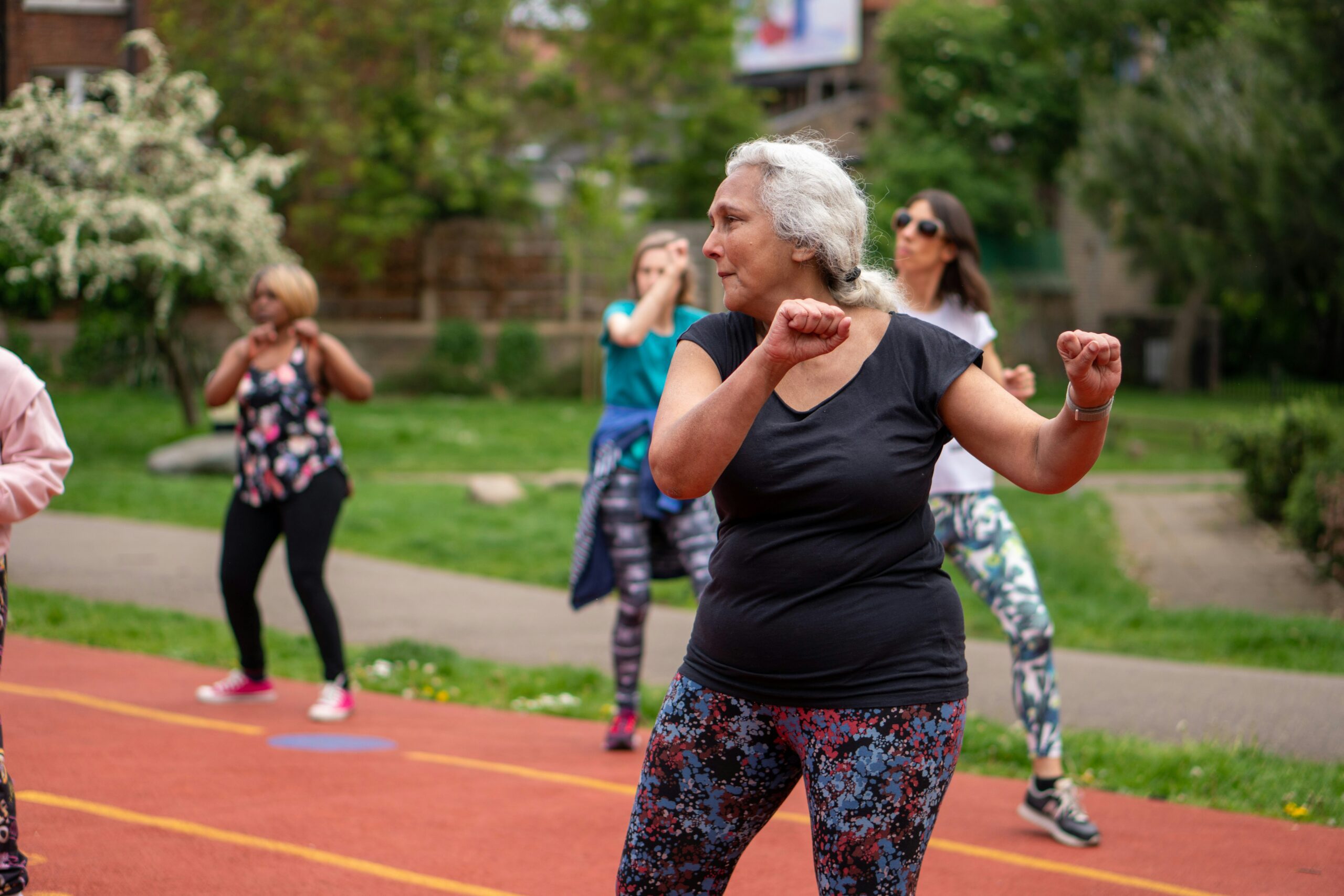
10 Important benefits of exercise for seniors:
1. Supports Mobility and Independence
Maintaining mobility can make a major difference in a senior’s everyday life.
Regular physical activity can help older adults maintain strength, flexibility, balance, and physical function. This can make activities such as walking, standing from a chair, getting dressed, and moving around easier.
For seniors in assisted living, maintaining mobility can also make it easier to participate in meals, hobbies, social activities, and family outings.
The goal isn’t to exercise like an athlete. It’s to help seniors preserve the physical abilities they use every day.
2. Improves Balance and May Reduce Fall Risk
Balance becomes increasingly important as we age. Activities that work on balance and coordination can help seniors move with greater confidence.
Examples include:
- Supported standing exercises
- Tai chi
- Gentle yoga
- Sit-to-stand exercises
- Supervised balance activities
Healthline recommends balance activities for older adults and notes that physical activity can improve physical function and help reduce the risk of falls.
Exercise is only one part of fall prevention, but it can be an important one.
3. Helps Maintain Muscle Strength
Muscle strength supports many everyday movements, including walking, standing, reaching, and getting in and out of a chair.
Strength-focused exercise for seniors can include resistance bands, light weights, sit-to-stand movements, and other appropriate resistance exercises.
Muscle-strengthening activities can be done at least two days a week for older adults.
The right exercise doesn’t have to be difficult. It simply needs to be appropriate and performed consistently.
4. Supports Heart Health
Walking, dancing, water-based exercise, stationary cycling, and other aerobic activities can help seniors build endurance and support cardiovascular health.
Regular physical activity is associated with a lower risk of cardiovascular disease and several other chronic health conditions.
For an older adult who has been inactive, starting with shorter periods of gentle activity can be a practical approach.
5. Supports Brain Health
Exercise benefits more than the body. Physical activity is also associated with brain health and may help maintain aspects of cognitive function.
Science Daily notes that exercise may help the brain “take out the trash,” revealing a promising new way regular movement could protect against age-related cognitive decline
This does not mean exercise can prevent Alzheimer’s disease or dementia in every person. However, staying physically active can be one part of an overall healthy lifestyle.
For seniors with cognitive impairment, familiar and simple activities may be easier and more enjoyable than complicated exercise routines.
6. Supports Mood and Emotional Well-Being
Sometimes the benefit of exercise is simply feeling better after moving.
Physical activity can support emotional well-being and may help reduce feelings of anxiety and depression.
A morning walk, chair exercise class, gardening activity, or group dance can give seniors something positive to look forward to.
Exercise can also provide a sense of accomplishment, especially when seniors participate in activities they enjoy.
7. May Support Better Sleep
Quality sleep is an important part of healthy aging, Regular physical activity can support better sleep. Improved sleep is one of the potential benefits of exercise for older adults.
A simple daytime walk or gentle exercise session can become part of a healthy daily routine without requiring strenuous activity.
8. Makes Everyday Activities Easier
One of the most practical benefits of exercise for seniors is how it can support everyday function.
Maintaining strength, balance, mobility, and endurance can help seniors participate in activities such as:
- Walking to meals
- Getting dressed
- Moving between rooms
- Enjoying hobbies
- Spending time outdoors
- Visiting with family
Harvard Health explains that physical activity can improve physical function and support independent living.
For someone in assisted living, those daily abilities can have a meaningful impact on quality of life.
9. Encourages Social Connection
Exercise doesn’t have to be a solo activity.
Walking groups, stretching classes, dancing, gardening, and recreational activities can give seniors opportunities to move while spending time with others.
In a lot of cases, study shows exercising with other people can provide the added benefit of social connection. For seniors in assisted living, this can make exercise feel less like a chore and more like part of the community.
10. Supports Quality of Life
When these benefits come together, exercise can contribute to a senior’s overall quality of life.
Better mobility can make daily activities easier. Strength and balance can support confidence. Physical activity can also contribute to heart health, mood, sleep, and social engagement.
For many seniors, the goal isn’t simply to exercise more. It’s to remain involved in the people, routines, hobbies, and activities that make life meaningful.
What Types of Exercise Are Good for Seniors?
There is no single exercise that works for everyone. The right activities depend on a senior’s health, mobility, fitness level, and interests.
And in some cases, choosing supportive activities for seniors with special needs is essential.
Common options include:
Aerobic activities: Walking, dancing, water exercise, and stationary cycling.
Strength exercises: Resistance bands, light weights, and appropriate body-weight exercises.
Balance activities: Tai chi, supported standing, and other supervised balance exercises.
Flexibility: Gentle stretching and range-of-motion activities.
Chair exercises: Seated movements can provide an accessible option for seniors with limited mobility.
The best exercise is one that is safe, appropriate, enjoyable, and sustainable.
How Much Exercise Do Seniors Need?
Current CDC recommendations for adults 65 and older include:
- At least 150 minutes of moderate-intensity aerobic activity each week
- Muscle-strengthening activities at least 2 days a week
- Activities that improve balance
Seniors who are not currently active don’t have to reach these targets immediately. Starting with smaller amounts and gradually increasing activity can be a practical approach.
Older adults with chronic conditions or mobility concerns should discuss appropriate exercise with a healthcare professional.
How Can Seniors Exercise Safely?
Safety should come before intensity.
Helpful practices include:
- Start slowly and increase activity gradually.
- Choose activities that match current abilities.
- Wear supportive footwear.
- Stay hydrated.
- Use appropriate support during balance activities.
- Take breaks when needed.
- Be cautious when exercising outdoors during very hot Florida weather.
- Talk with a healthcare professional when a health condition affects exercise choices.
The goal is not to push seniors beyond their limits. It’s to help them stay active in ways that are comfortable and appropriate for them.
Exercise for Seniors in Spring Hill, FL
Seniors in Spring Hill have opportunities to stay active both indoors and outdoors.
Example: Veterans Memorial Park includes a half-mile paved V.F.W. Trail and fitness stations in Hernando County.
Outdoor activities should be planned around Florida’s weather and an individual’s comfort level. On particularly hot days, indoor activities such as chair exercises, stretching, or group activities may be a better choice.
Staying active doesn’t have to be complicated. A short walk, a few stretches, or an enjoyable group activity can all add movement to the day.
How Assisted Living Can Encourage Exercise for Seniors
An assisted living community can make staying active easier by incorporating movement into everyday life.
Activities may include:
- Walking programs
- Chair exercises
- Gentle stretching
- Balance activities
- Gardening
- Music and movement
- Recreational games
- Outdoor activities
Activities should be adapted to residents’ abilities and interests.
For residents with dementia or other cognitive challenges, familiar activities, simple instructions, and appropriate support can make participation easier and more enjoyable.
The goal isn’t to force seniors to exercise. It’s to create more opportunities for movement, connection, and engagement.
Supporting Active Aging at Safe Harbor Amóre
At Safe Harbor Amóre, we believe senior care should support more than basic daily needs.
For families considering assisted living in Spring Hill, Florida, it’s important to consider the complete living experience, including personalized support, daily routines, social engagement, activities, comfort, and opportunities for residents to remain involved.
A small residential assisted living environment can provide a more personal setting where residents receive individualized attention while staying connected to the people and activities around them.
If you’re exploring assisted living for a loved one in Spring Hill or Hernando County, Contact us to learn more about Safe Harbor Amóre and our approach to personalized senior care.
Conclusion
Exercise for seniors is about much more than fitness.
Regular movement can support strength, balance, mobility, heart health, mood, sleep, brain health, social connection, and independence. For seniors living in assisted living, these benefits can translate into something even more meaningful: more opportunities to stay active, connected, and involved in everyday life. This goal isn’t to make every senior an athlete but It’s to find safe enjoyable ways to keep moving.
Frequently Asked Questions About Exercise for Seniors
What is the best exercise for seniors?
There is no single best exercise for everyone. Walking, chair exercises, stretching, strength training, balance activities, and dancing can all be appropriate depending on a senior’s abilities and health.
How much exercise should seniors get?
Adults 65 and older should generally work toward 150 minutes of moderate aerobic activity each week, strength exercises on at least two days, and balance activities.
Is walking good exercise for seniors?
Yes. Walking is a practical aerobic activity for many older adults. The appropriate pace and duration depend on an individual’s mobility, fitness level, and health.
Can exercise help seniors maintain independence?
Yes. Physical activity can improve physical function and make everyday activities easier, which can support independent living.
Can seniors exercise if they have limited mobility?
Many seniors with limited mobility can participate in adapted activities such as chair exercises, gentle stretching, or supervised movements. The appropriate activities should be based on the individual’s abilities and health needs.