
Choosing senior care for a loved one is one of the most important decisions a family can make. As seniors age, families want more than just assistance with daily tasks, they want compassionate care, safety, comfort, and a place that truly feels like home. This is why many families across Hernando County are choosing a residential assisted living facility instead of a large senior living community. Unlike larger facilities that may care for dozens or even hundreds of residents, a residential assisted living facility provides personalized support in a smaller, home-like environment. Residents often benefit from consistent caregivers, individualized care plans, stronger relationships, and a quieter atmosphere that promotes comfort, dignity, and peace of mind.
For families exploring assisted living in Spring Hill, Brooksville, Weeki Wachee, and nearby Hernando County communities, understanding the differences between residential and larger assisted living communities can make choosing the right care much easier. Every senior has unique needs, and the right environment can have a meaningful impact on their quality of life, independence, and overall well-being.
If you’re still comparing different types of senior care, you may also find our guide to Senior Care Options in Hernando County, Florida helpful for understanding the levels of care available and determining which option best fits your loved one’s needs.
What Is a Residential Assisted Living Facility?
A residential assisted living facility is a licensed senior living home that provides personalized care and daily support in a smaller, home-like environment. Unlike large assisted living communities that may accommodate dozens or even hundreds of residents, residential assisted living facilities typically serve a limited number of seniors, allowing caregivers to deliver more individualized attention and build meaningful relationships with each resident.
Residents receive assistance with activities of daily living (ADLs), such as bathing, dressing, grooming, mobility, medication management, nutritious meals, housekeeping, and wellness monitoring. Many residential assisted living facilities also offer social activities, companionship, and customized care plans that support each resident’s physical, emotional, and cognitive well-being.
By combining professional care with the comfort of a residential setting, a residential assisted living facility helps seniors maintain their dignity, independence, and quality of life while giving families greater confidence that their loved one is receiving attentive, compassionate care.
Why More Hernando County Families Are Choosing a Residential Assisted Living Facility
Across Hernando County, more families are choosing a residential assisted living facility because it offers something many larger senior communities find difficult to provide, highly personalized care in a comfortable, home-like setting. As seniors’ care needs become more individualized, families increasingly value an environment where every resident is known, supported, and treated with dignity.
If you’re comparing smaller residential homes with larger assisted living campuses, our guide to Small Residential ALF vs. Large Senior Community explains the key differences in care, staffing, daily life, and the overall resident experience.
One of the biggest reasons families choose a residential assisted living facility is the level of personal attention residents receive. With fewer residents, caregivers have more opportunities to understand each person’s daily routine, preferences, medical needs, and personal history. This familiarity helps create stronger relationships and allows care to be more responsive, compassionate, and consistent.
Many families also prefer the warm, residential atmosphere that smaller assisted living homes provide. Instead of navigating a large campus with busy common areas and changing staff, residents enjoy a quieter environment that feels more like home. This setting can be especially beneficial for seniors who value a calm routine or who may become overwhelmed by larger, more institutional environments.
Another important advantage is stronger communication between caregivers and families. Because residential assisted living facilities typically serve fewer residents, family members often receive more personalized updates and can work closely with caregivers to ensure their loved one’s needs, preferences, and care plan continue to evolve over time.
For older adults living with memory loss, mobility limitations, or other age-related health challenges, the consistency of familiar caregivers and predictable daily routines can promote a greater sense of comfort, security, and emotional well-being. Smaller resident populations also allow caregivers to recognize changes in a senior’s condition more quickly, helping families address concerns before they become more serious.
As Hernando County continues to grow as a popular retirement destination, more families are discovering that a residential assisted living facility offers an ideal combination of professional care, individualized attention, safety, independence, and a genuine sense of belonging. Rather than feeling like one of many residents, seniors can enjoy a supportive environment where they are respected as individuals and cared for like family.
Consistent Caregivers Build Trust and Meaningful Relationships
Another reason families choose a residential assisted living facility is the consistency of the caregiving team. In a smaller residential setting, residents often see the same caregivers each day, making it easier to build trusting relationships and maintain familiar daily routines.
Consistent caregivers become more familiar with each resident’s preferences, communication style, health needs, and daily habits. This continuity allows care to be more personalized and helps caregivers recognize changes in a resident’s physical or emotional well-being more quickly, so concerns can be addressed promptly.
For seniors living with memory loss or other cognitive changes, familiar faces and predictable routines can provide a greater sense of comfort and reduce the stress that sometimes comes with adjusting to new environments. Families also appreciate having regular communication with caregivers who know their loved one well, creating stronger partnerships and greater confidence in the care being provided.
By fostering long-term relationships between residents, caregivers, and families, a residential assisted living facility creates a supportive environment where seniors feel respected, understood, and genuinely cared for.
A More Comfortable and Home-Like Environment
One of the defining features of a residential assisted living facility is its warm, home-like atmosphere. Many older adults feel anxious about leaving the home they’ve known for years, so moving into a familiar, comfortable setting can make the transition to assisted living much less overwhelming.
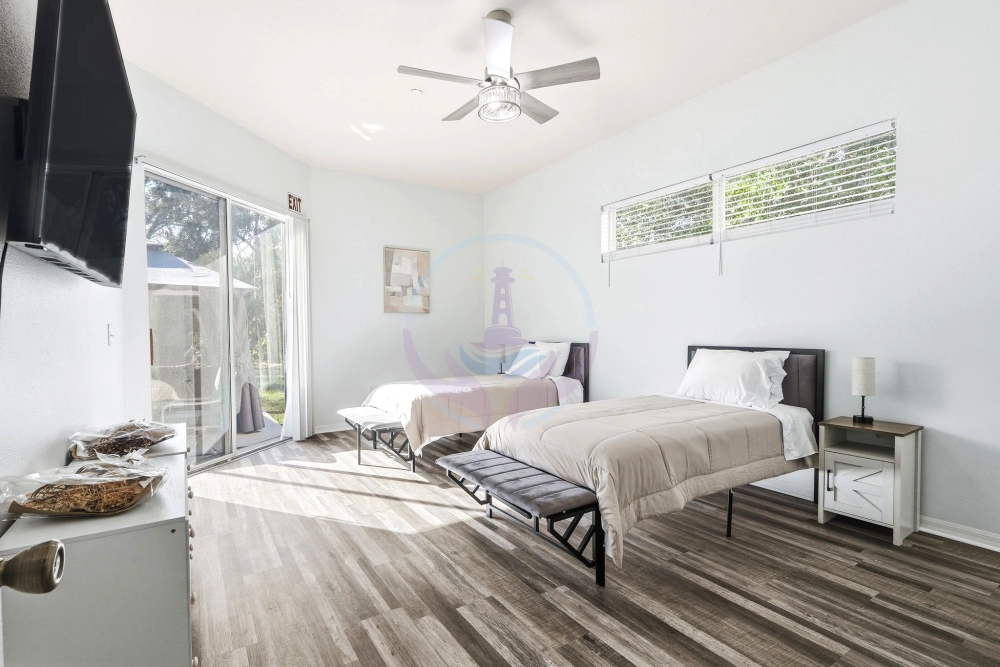
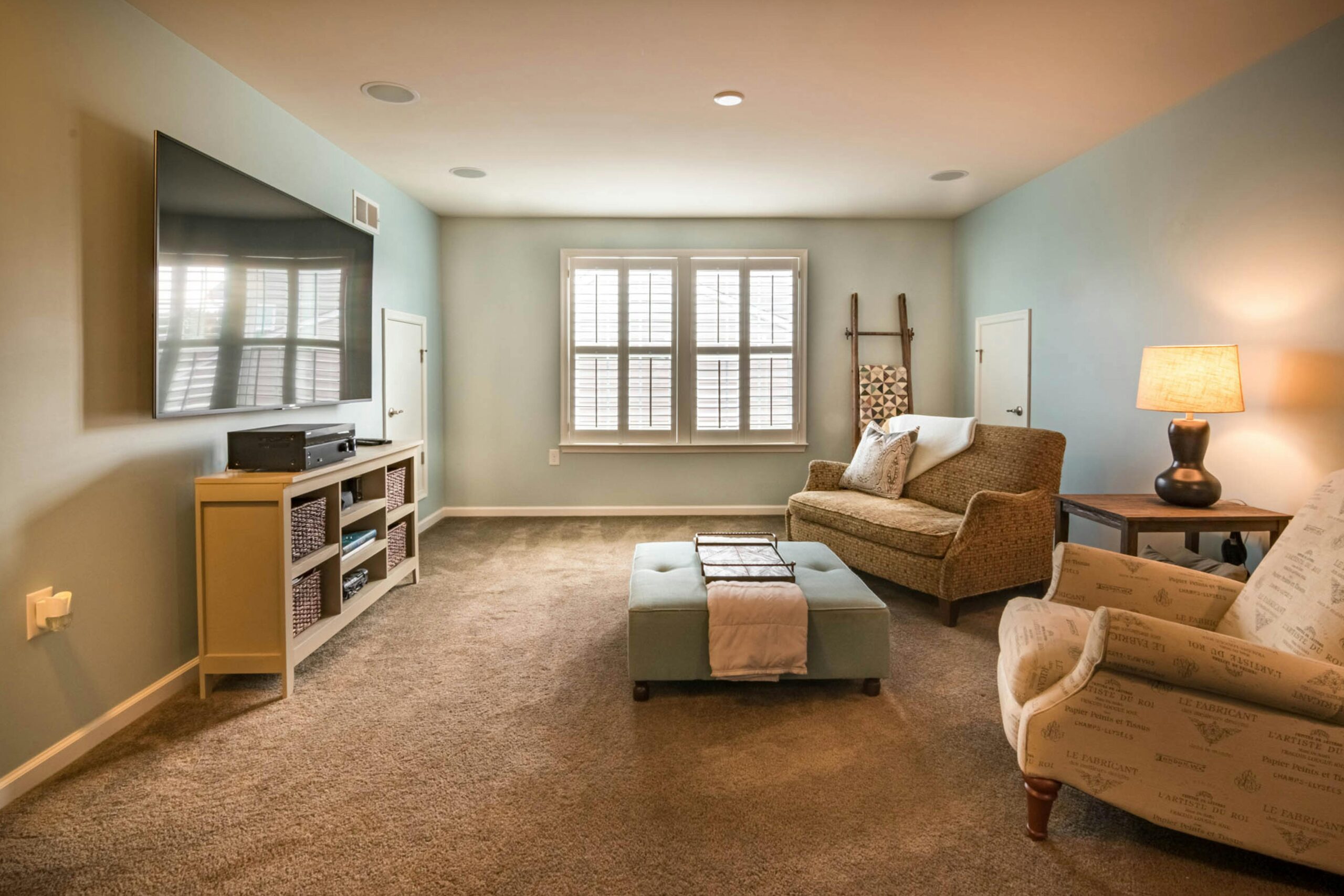
Unlike larger senior living communities with long hallways, busy common areas, and institutional-style layouts, residential assisted living facilities are designed to feel like a private home. Residents often enjoy inviting living spaces, comfortable bedrooms, shared dining areas, and peaceful outdoor spaces that encourage relaxation and social connection.
This smaller, more personal environment allows seniors to maintain familiar routines while receiving the support they need with daily activities. The welcoming atmosphere also makes it easier for residents to build friendships, participate in meaningful activities, and feel like they are part of a close-knit community rather than a large facility.
For many families in Hernando County, this balance of professional care and the comfort of a home-like environment is one of the main reasons they choose a residential assisted living facility for their loved one. It provides the reassurance that seniors can receive quality care while continuing to live in a setting that promotes dignity, independence, and overall well-being.
Better Communication with Families
Open and consistent communication is an important part of quality senior care. When families choose a residential assisted living facility, they want reassurance that they will remain informed and involved in their loved one’s care and well-being.
Because residential assisted living facilities typically care for fewer residents, caregivers often have more opportunities to communicate directly with family members. Whether discussing changes in a resident’s health, reviewing a personalized care plan, or sharing updates about daily routines, this ongoing communication helps families stay connected and make informed decisions about their loved one’s care.
Smaller residential settings can also make it easier for families to ask questions, express concerns, and collaborate with caregivers when care needs change. This partnership supports a more personalized approach to care while ensuring everyone is working toward the same goal—providing the best possible quality of life for the resident.
For many families in Hernando County, knowing they can maintain regular communication with caregivers provides added confidence and peace of mind throughout their loved one’s assisted living journey.
Why a Residential Assisted Living Facility May Be a Good Fit for Seniors with Memory Challenges
For some older adults living with Alzheimer’s disease or other forms of dementia, a residential assisted living facility can provide a supportive environment that promotes familiarity, comfort, and personalized care. While every person’s needs are different, many families value the smaller setting and consistent daily routines that residential homes can offer.
Compared with larger communities, residential assisted living facilities often provide a quieter atmosphere, fewer distractions, and greater caregiver consistency. Familiar surroundings, predictable schedules, and close supervision can help reduce feelings of confusion or anxiety for some individuals while making daily life feel more structured and reassuring.
Many residential assisted living facilities also offer specialized memory care services or can coordinate care for residents with cognitive impairment, depending on their licensing, staffing, and level of support. Families should evaluate each community’s experience, training, and care approach to determine whether it is the right fit for their loved one’s specific needs.
The Alzheimer’s Association emphasizes the importance of person-centered care, familiar routines, and supportive environments for individuals living with dementia. These approaches can help promote emotional well-being, preserve dignity, and improve quality of life as cognitive needs change over time.
“Many residential assisted living facilities also offer specialized memory care services.
The Importance of Wellness Support and Health Monitoring
Maintaining good health becomes increasingly important as people age, making ongoing wellness support a key benefit of a residential assisted living facility. In addition to helping with daily activities, many residential assisted living facilities provide medication assistance, routine wellness monitoring, and observation of residents’ overall health and well-being.
Because caregivers interact with residents throughout the day, they may notice changes in appetite, mobility, mood, sleep patterns, or other aspects of daily functioning that could warrant attention. When appropriate, these observations can be shared with family members and healthcare providers, helping ensure that changes in a resident’s condition are addressed promptly.
Many residential assisted living facilities also encourage healthy lifestyles by providing nutritious meals, opportunities for physical activity, social engagement, and structured daily routines that support overall wellness. This combination of personalized assistance and ongoing observation helps residents maintain the highest possible level of independence while receiving the support they need.
The National Institute on Aging (NIA) highlights the importance of preventive health, staying physically active, eating a balanced diet, and maintaining regular communication with healthcare providers to support healthy aging and overall quality of life. A residential assisted living facility can play an important role in supporting these goals by providing a safe, structured, and supportive living environment.
How a Residential Assisted Living Facility Supports Independence
A common misconception is that moving into a residential assisted living facility means giving up independence. In reality, many older adults find that receiving the right level of support allows them to maintain their independence while living more safely and comfortably.
Rather than managing household chores, meal preparation, housekeeping, home maintenance, or other daily responsibilities alone, residents can focus their time and energy on the activities they enjoy most. By reducing the stress of everyday tasks, seniors often have more opportunities to participate in hobbies, socialize with others, stay physically active, and enjoy meaningful daily routines.
Care in a residential assisted living facility is typically tailored to each resident’s individual needs. Some seniors may require assistance with bathing, dressing, or medication management, while others need only minimal support. This personalized approach encourages residents to remain as independent as possible while receiving help only when it is needed.
For many families in Hernando County, this balance of independence, safety, and compassionate support is one of the key reasons a residential assisted living facility is an appealing long-term care option. It enables seniors to maintain their dignity and quality of life while providing families with confidence that their loved one has access to assistance whenever it is needed.
Why Hernando County Is a Great Place for Senior Living
Hernando County has become an increasingly popular destination for older adults seeking a safe, welcoming community with access to quality senior care. For families looking for a residential assisted living facility, the county offers the advantages of a relaxed Florida lifestyle while remaining close to essential healthcare services, shopping, dining, and recreational opportunities.
Communities such as Spring Hill, Brooksville, Weeki Wachee, and Hernando Beach provide a variety of amenities that support healthy and active aging. Seniors can enjoy local parks, nature preserves, community events, libraries, and other opportunities for social engagement, all while living in an area known for its friendly neighborhoods and slower pace of life.
Hernando County is also conveniently located near hospitals, medical specialists, rehabilitation services, and other healthcare resources, making it easier for older adults to access the care and support they may need as their needs change over time.
For families, choosing a residential assisted living facility in Hernando County means finding a balance between personalized senior care and a community that encourages comfort, connection, and overall well-being. This combination of compassionate care, local amenities, and a supportive environment makes Hernando County an excellent place for seniors to enjoy a high quality of life.
Why Families Choose Safe Harbor Amóre
At Safe Harbor Amóre, we are committed to providing compassionate, personalized care in a warm and welcoming residential assisted living facility where every resident is treated with dignity, respect, and kindness. We understand that choosing senior care is a significant decision, which is why we focus on creating a supportive environment that feels like home for both residents and their families.
Located in Spring Hill and proudly serving families throughout Hernando County, our residential assisted living facility offers individualized care plans tailored to each resident’s unique needs and preferences. Our experienced caregivers provide assistance with activities of daily living, medication management, wellness monitoring, nutritious home-cooked meals, meaningful social engagement, and 24-hour support to help residents live safely and comfortably.
For seniors living with Alzheimer’s disease or other forms of dementia, we also provide memory care support designed to promote familiarity, routine, and compassionate, person-centered care. Every aspect of our approach is centered on helping residents maintain the highest possible quality of life while preserving their independence whenever possible.
What truly sets Safe Harbor Amóre apart is our commitment to building lasting relationships. By maintaining a smaller, home-like setting, we are able to get to know each resident personally, communicate closely with families, and provide attentive care that reflects each individual’s unique needs, preferences, and life story.
Whether your loved one needs daily assistance, specialized memory support, or simply a safe and caring place to call home, Safe Harbor Amóre is dedicated to providing the personalized attention and peace of mind families deserve.
Frequently Asked Questions About Residential Assisted Living Facilities
What is a residential assisted living facility?
A residential assisted living facility is a licensed senior living home that provides personalized care and assistance with daily activities in a smaller, home-like environment. Residents receive support with services such as personal care, medication assistance, meals, housekeeping, and wellness monitoring while maintaining as much independence as possible.
How is a residential assisted living facility different from a large senior living community?
The biggest difference is the size and level of personalized attention. A residential assisted living facility typically serves fewer residents, allowing caregivers to build stronger relationships and provide more individualized care. Larger senior communities often offer more amenities and larger campuses, but the care experience may be less personal.
Is a residential assisted living facility a good option for someone with dementia?
It can be, depending on the individual’s needs. Many residential assisted living facilities provide structured routines, familiar surroundings, and consistent caregivers, which can benefit some people living with Alzheimer’s disease or other forms of dementia. Families should also ask whether the community offers specialized memory care services or additional support for cognitive impairment.
What services are typically provided in a residential assisted living facility?
Services commonly include assistance with bathing, dressing, grooming, medication management, meal preparation, housekeeping, laundry, wellness monitoring, transportation coordination (where available), social activities, and 24-hour caregiver support. The specific services offered vary by community and resident care needs.
Do residential assisted living facilities provide medication management?
Most residential assisted living facilities provide medication assistance or medication management in accordance with state regulations and each resident’s care plan. Families should ask how medications are administered, documented, and monitored when touring a community.
Can family members visit regularly?
Yes. Most residential assisted living facilities encourage family involvement and welcome regular visits. Staying connected with loved ones supports residents’ emotional well-being and allows families to remain actively involved in care planning and important decisions.
How do I know if a residential assisted living facility is the right choice for my loved one?
A residential assisted living facility may be a good fit if your loved one needs help with daily activities, medication management, mobility, or personal care but does not require the level of medical care provided in a nursing home. Touring communities, meeting caregivers, and discussing your loved one’s needs can help you make an informed decision.
What should I look for when touring a residential assisted living facility?
During a tour, observe how caregivers interact with residents, the cleanliness of the home, safety features, meal quality, resident engagement, staffing consistency, and the overall atmosphere. A quality residential assisted living facility should feel welcoming, well-maintained, and focused on providing compassionate, person-centered care.
Conclusion
Choosing the right senior care community is about more than finding assistance with daily activities, it’s about finding a place where your loved one feels safe, respected, and truly at home. For many families in Hernando County, a residential assisted living facility offers the ideal combination of personalized care, meaningful relationships, a comfortable home-like environment, and the support seniors need to maintain their dignity, independence, and quality of life.
From consistent caregivers and individualized care plans to wellness support, family involvement, and specialized memory care services, residential assisted living facilities provide a compassionate approach that puts each resident’s unique needs first. This personalized model of care gives families confidence that their loved one is receiving attentive support in a setting designed to promote comfort, safety, and well-being.
If you’re exploring senior living options for a loved one in Spring Hill or anywhere in Hernando County, we’d love to help you make an informed decision. Schedule a tour to Safe Harbor Amóre to experience our warm, welcoming residential assisted living facility, Contact us to meet our compassionate caregiving team, and see firsthand how personalized care can make a meaningful difference in your loved one’s life.