
A dementia diagnosis changes daily life for an entire family, not just the person who receives it. Suddenly, simple routines feel unpredictable, and loved ones often find themselves searching for the safest, most compassionate way forward. That search frequently leads families to memory care, a specialized form of senior living built specifically to support elders with dementia through every stage of the condition.
At Safe Harbor Amoré, we’ve walked alongside many Spring Hill, Florida families as they’ve made this transition. Because dementia affects memory, judgment, and daily functioning in ways that evolve over time, generic care simply isn’t enough. Memory care, by contrast, is designed from the ground up to meet these changing needs with structure, safety, and genuine warmth.
This guide explains what memory care actually looks like day to day, why it makes such a meaningful difference for elders with dementia, and how families in Hernando County can know when it’s time to consider it.
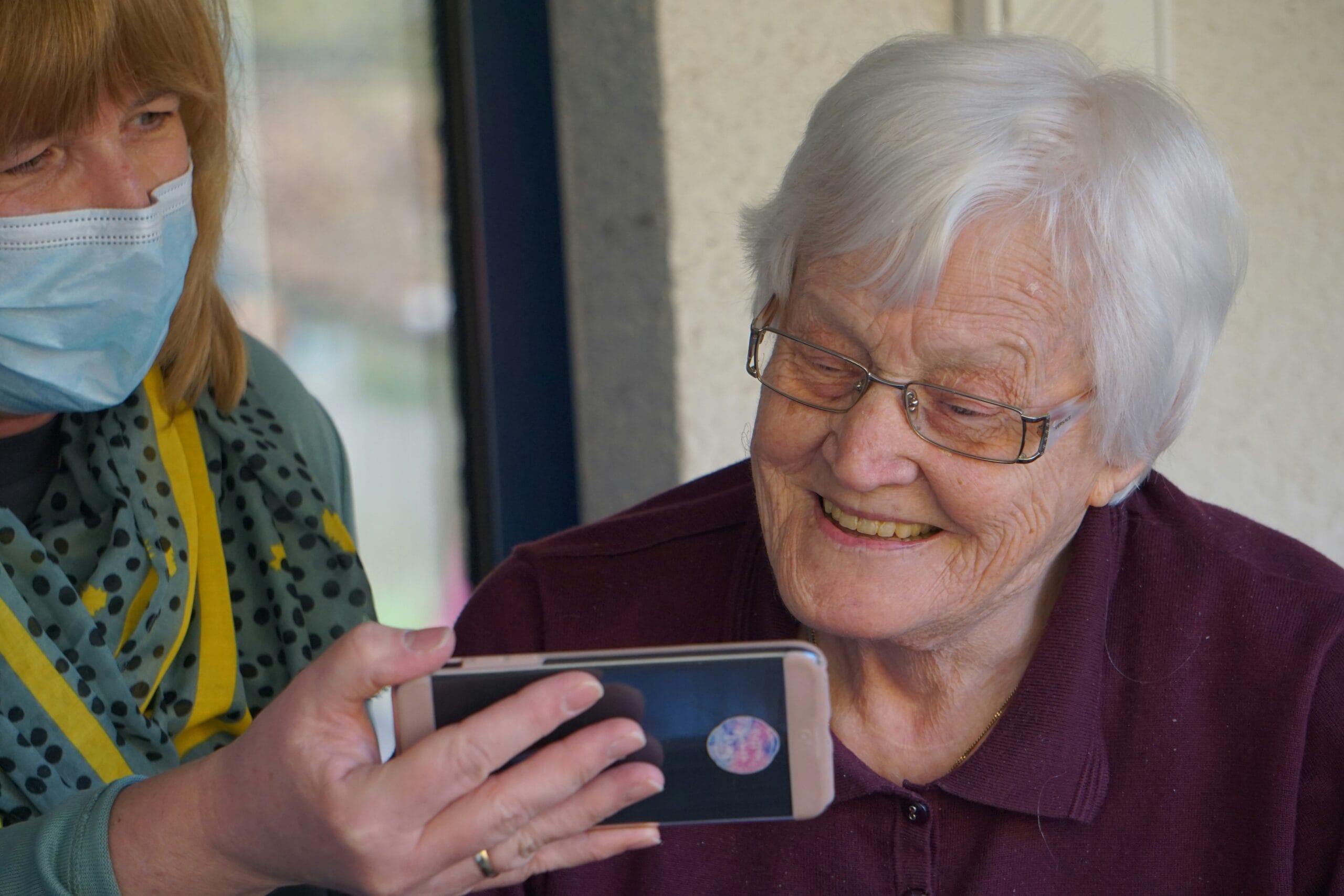
What Is Memory Care for Elders With Dementia?
Memory care is a specialized type of senior living designed for individuals living with Alzheimer’s disease, dementia, or other forms of cognitive decline. Unlike general senior care, memory care combines trained staff, secure environments, and structured programming to address the specific challenges that come with memory loss in elders with dementia..
Because dementia symptoms progress differently for each person, memory care providers build flexibility into their approach. As a result, elders receive support that adapts alongside their condition rather than a one-size-fits-all care plan. For families weighing this option against traditional senior living, our related guide on what to expect from a memory care facility in Spring Hill, FL breaks the transition down step by step.
How Is Memory Care Different From Assisted Living?
While both assisted living and memory care help seniors with daily tasks, memory care goes several steps further. Specifically, it adds layers of supervision, structure, and specialized training that standard assisted living does not typically include.
Memory care commonly includes:
- Secure, monitored environments to prevent wandering
- Caregivers trained specifically in dementia care techniques
- Structured daily routines that reduce confusion and anxiety
- Cognitive engagement activities tailored to ability level
- Higher staff-to-resident ratios for closer supervision
- Enhanced safety features throughout living spaces
Consequently, families of elders in the early stages of memory loss sometimes start in standard assisted living before transitioning to memory care as needs increase.
How Memory Care Supports Elders With Dementia
Dementia doesn’t just affect memory. It also impacts communication, mood, mobility, and the ability to complete once-familiar tasks safely. Effective memory care, therefore, addresses the whole person, not just the symptoms most visible from the outside.
Safety and Supervision for Elders With Dementia
Wandering is one of the most common and dangerous behaviors associated with dementia. Because of this, memory care environments are designed with secured entrances, monitored common areas, and layouts that reduce disorientation. Elders can move freely without the risks that come with an unsecured setting.
Specialized Caregiver Training
Caregivers in a memory care setting learn dementia-specific communication techniques. These include how to de-escalate confusion, redirect anxiety, and respond to repeated questions with patience rather than correction. As a result, residents experience fewer moments of frustration, and families gain confidence that their loved one is understood, not just supervised.
Cognitive Engagement
Activities in memory care are intentionally designed to support cognitive function for as long as possible. Music therapy, reminiscence activities, and simple hands-on tasks, for instance, can help elders stay engaged while reinforcing a sense of purpose and accomplishment.
Emotional Support
Beyond physical safety, memory care addresses the emotional toll dementia can take. Feelings of fear, confusion, and isolation are common, so caregivers focus on building trust through consistency, familiar faces, and a calm, predictable environment.
The Role of a Structured Daily Routine For Elders With Dementia
Predictability matters enormously for someone living with dementia. When each day follows a similar rhythm, elders experience less anxiety, since they know generally what to expect even when specific details become harder to recall.
A well-structured memory care routine typically includes:
- Consistent wake and mealtimes
- Scheduled activities and rest periods
- Familiar caregivers who build trusted relationships over time
- Gentle transitions between tasks to reduce confusion
- Built-in time for social interaction and quiet reflection
Because routines reduce unpredictability, they also tend to reduce agitation, a common and stressful symptom for both residents and their families.
Why a Smaller, Residential Setting Matters For Memory Care
Not every memory care environment looks the same, and size matters more than many families initially realize. Smaller, residential communities often provide:
- Quieter, less overwhelming surroundings
- Lower staff-to-resident ratios and more one-on-one attention
- Stronger, more consistent caregiver relationships
- A calmer atmosphere that helps ease dementia-related anxiety
- A genuine home-like environment rather than an institutional one
At Safe Harbor Amoré, our residential approach allows caregivers to truly know each resident’s history, preferences, and triggers, rather than managing care across a large, rotating population. This kind of familiarity, in turn, often leads to fewer behavioral episodes and a greater sense of security for residents. Families weighing a smaller setting against a larger community may also find our guide on why choose small residential assisted living helpful as an early checkpoint before memory care becomes necessary.
Signs It May Be Time to Consider Memory Care For Elders With Dementia
Recognizing the right moment for memory care can be difficult, particularly because decline often happens gradually. That said, certain signs tend to indicate that a loved one’s needs have outgrown home care or standard assisted living.
Common signs include:
- Increased wandering or getting lost in familiar places
- Difficulty recognizing family members
- Escalating confusion, especially in the evening (“sundowning”)
- Missed medications or medication errors
- Increased agitation, aggression, or anxiety
- Neglect of hygiene, nutrition, or safety
- Caregiver burnout or safety concerns at home
For families who want a deeper understanding of dementia progression and current research, the Alzheimer’s Association offers detailed guidance on how symptoms typically advance across the stages of the disease.
How Memory Care Supports the Whole Family
Dementia care rarely affects just one person. Spouses, adult children, and extended family members often carry significant emotional and physical strain while trying to keep a loved one safe at home. Memory care, therefore, doesn’t only benefit the resident; it relieves families from a level of responsibility that can otherwise become unsustainable.
With professional support in place, families can return to being sons, daughters, and spouses again, rather than full-time caregivers managing every hour of the day. Regular communication from staff, meanwhile, keeps families informed and involved without requiring them to manage daily care logistics alone. The Family Caregiver Alliance offers additional support resources for families navigating this emotional transition.
Why Families Choose Safe Harbor Amoré for Memory Care
At Safe Harbor Amoré, we provide memory care within a small, residential setting in Spring Hill, Florida, where every resident is known by name and understood as an individual. Our approach combines specialized dementia training with a genuinely home-like environment, so elders receive both expert care and real comfort.
Our memory care support includes:
- Secure, home-like living spaces
- Caregivers trained specifically in dementia care
- Structured daily routines tailored to each resident
- Personalized engagement and cognitive activities
- 24-hour supervision and health monitoring
- Consistent, compassionate communication with families
Because our community remains intentionally small, our team builds real relationships with residents rather than managing care from a distance. To learn more about our approach or to see our home in person, we invite families to schedule a private tour.
Frequently Asked Questions About Memory Care for Elders With Dementia
What is memory care, and how is it different from assisted living?
Memory care is a specialized form of senior living built for individuals with Alzheimer’s, dementia, or other cognitive conditions. It includes more supervision, secured environments, and dementia-trained caregivers than standard assisted living typically provides.
At what stage of dementia should memory care be considered?
There’s no single stage that applies to everyone. Families often consider memory care when wandering, safety risks, or caregiver burnout increase, regardless of whether the diagnosis is early, moderate, or advanced.
Do memory care residents lose their independence?
Not entirely. Memory care is designed to support remaining abilities and preserve dignity, encouraging residents to participate in daily choices and activities within a safe, structured environment.
How do caregivers handle confusion or agitation in dementia care?
Trained caregivers use techniques such as gentle redirection, consistent routines, and calm communication to reduce anxiety and de-escalate confusion, rather than correcting or arguing with a resident.
Can families visit a loved one in memory care regularly?
Yes. Most memory care communities, including Safe Harbor Amoré, encourage regular family visits and maintain open communication so families stay closely involved in their loved one’s care.
Is a smaller memory care community better for elders with dementia?
Many families find that smaller, residential settings reduce overstimulation and allow for closer, more personalized attention, which can ease anxiety and improve overall comfort for elders with dementia.
Finding the Right Support for Your Loved One
Caring for an elder with dementia is one of the most demanding responsibilities a family can face, and no one should have to navigate it alone. Memory care exists precisely because dementia requires more than good intentions; it requires structure, training, and an environment built around safety and dignity.
If you’re exploring memory care options in Spring Hill, Florida, we invite you to schedule a tour of Safe Harbor Amoré. Come see firsthand how a smaller, residential approach to memory care can offer both expert support and genuine peace of mind for your family.